
Basement insulation in Bryan TX - a finished room with walls that can dry out
Cold, damp basement walls or a room downstairs nobody uses? We handle water first, then insulate so the space stays comfortable.
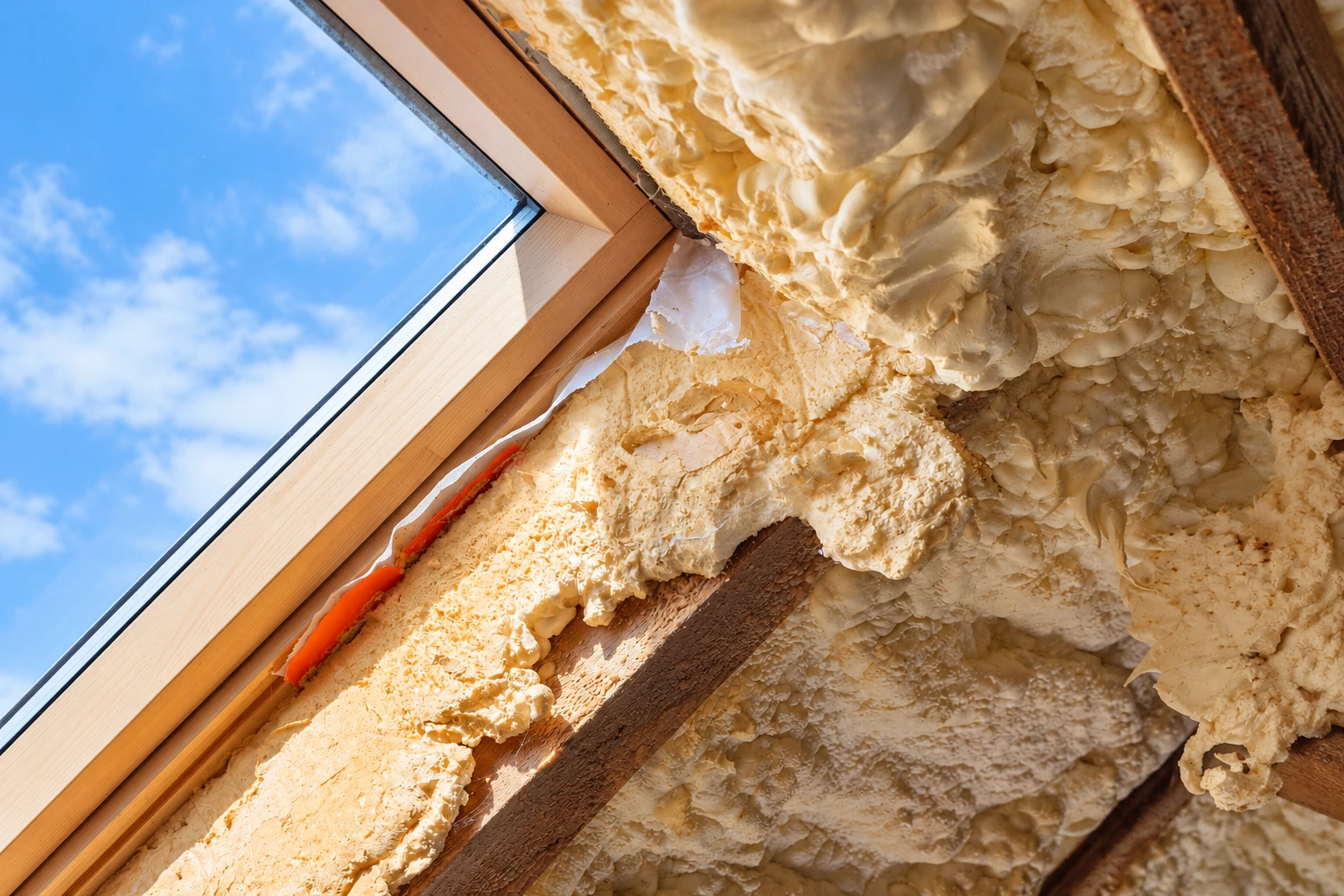
What's involved in insulating a basement in Bryan?
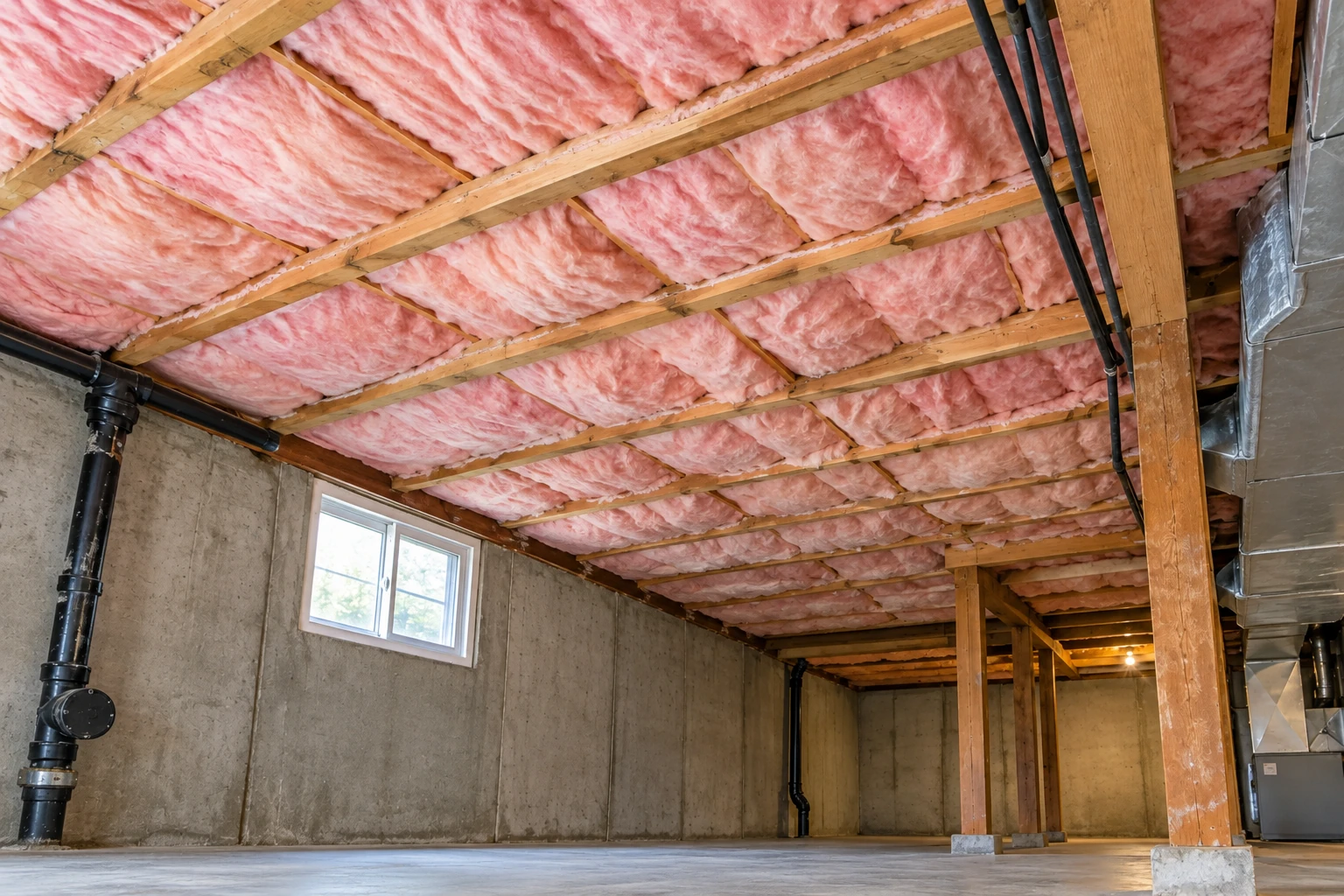
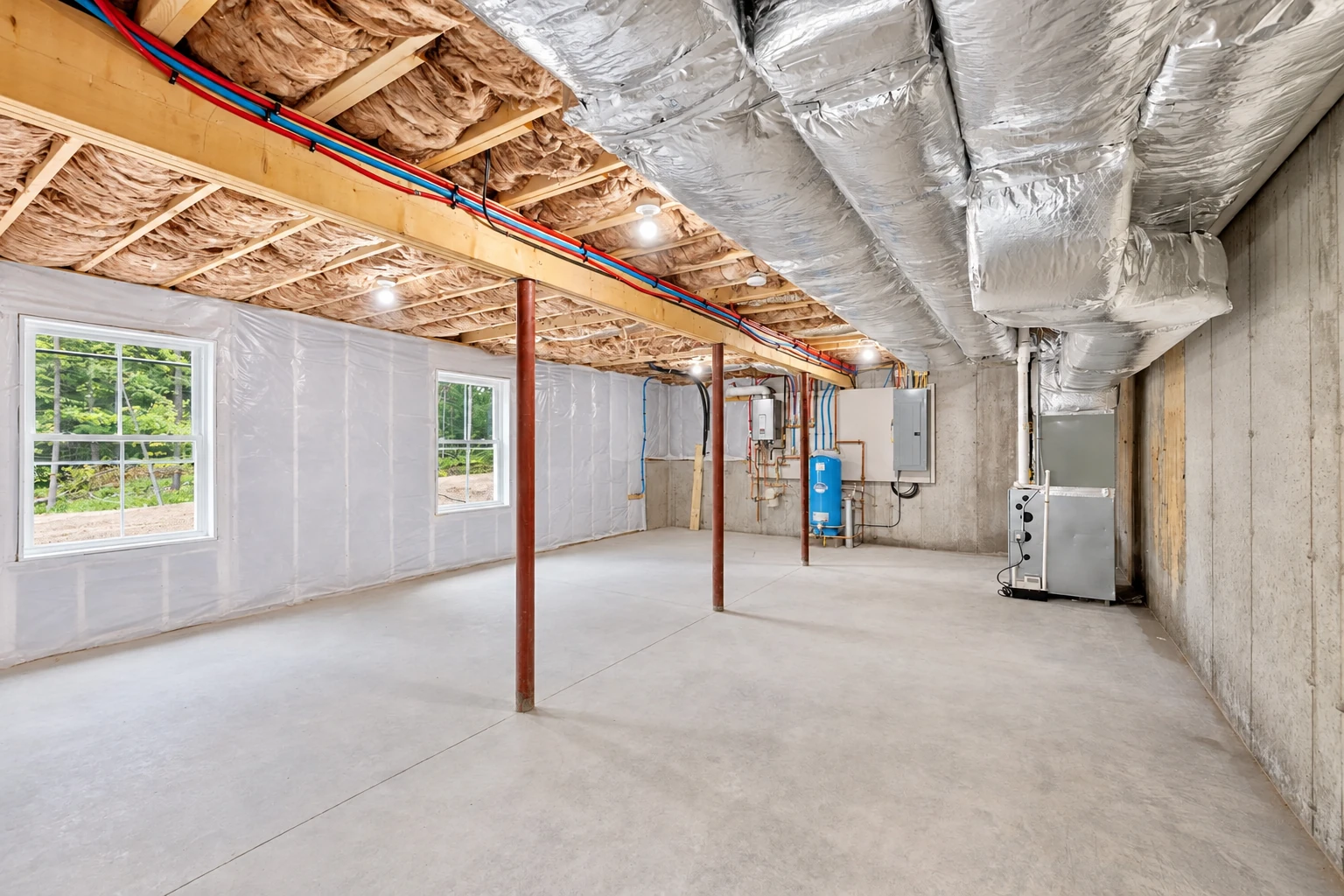
Basement insulation in Bryan means lining the foundation walls, often with rigid foam panels set tight against the concrete, so the room downstairs holds its heat and cool air, and it's planned around moisture from the start so the walls don't stay wet behind it.
Most of the basement calls I get start with cold floors, a musty smell or a room downstairs nobody wants to sit in. The price mostly comes down to how much wall there is, whether water has to be fixed first, which material fits and how you plan to finish the room. The schedule turns on that same water repair and on a permit if your job needs one. I look at the basement myself and put what it needs in a written estimate, so you're working from your own numbers.
What happens after you call about basement insulation in Bryan?
Call us and set a visit
You call (979) 393-7011 or send the form, and most of the time I'm the one who calls you back to pick a day. I come out to the basement myself instead of sending someone.
I look at the walls myself
I check the foundation walls and the framing on top of them for any sign of water, and I ask how you plan to finish the room. You'll hear from me right then what has to be fixed before we start and what can wait.
You get a written estimate
The estimate lays out the prep, the insulation, the wall area and anything that has to be fixed first, so you can see what you're paying for before you decide. If the job needs a permit, we take care of it.
We install and go over it
My crew does the work with me on site, and we clean up as we go. Before we pack up, I go over every wall with you.
How we do basement insulation, in the right order
Water comes first. If any of the walls are taking it on, that gets fixed before insulation goes up, because new foam over a leak just hides the problem while it gets worse. Once the walls are sound, we clean them, fit the insulation tight to the concrete, and seal the seams and the rim joists, the wood framing that sits on top of the foundation. Early on we also talk through how you plan to finish the room, because some wall coverings hold moisture in, and that changes what we put up and how.
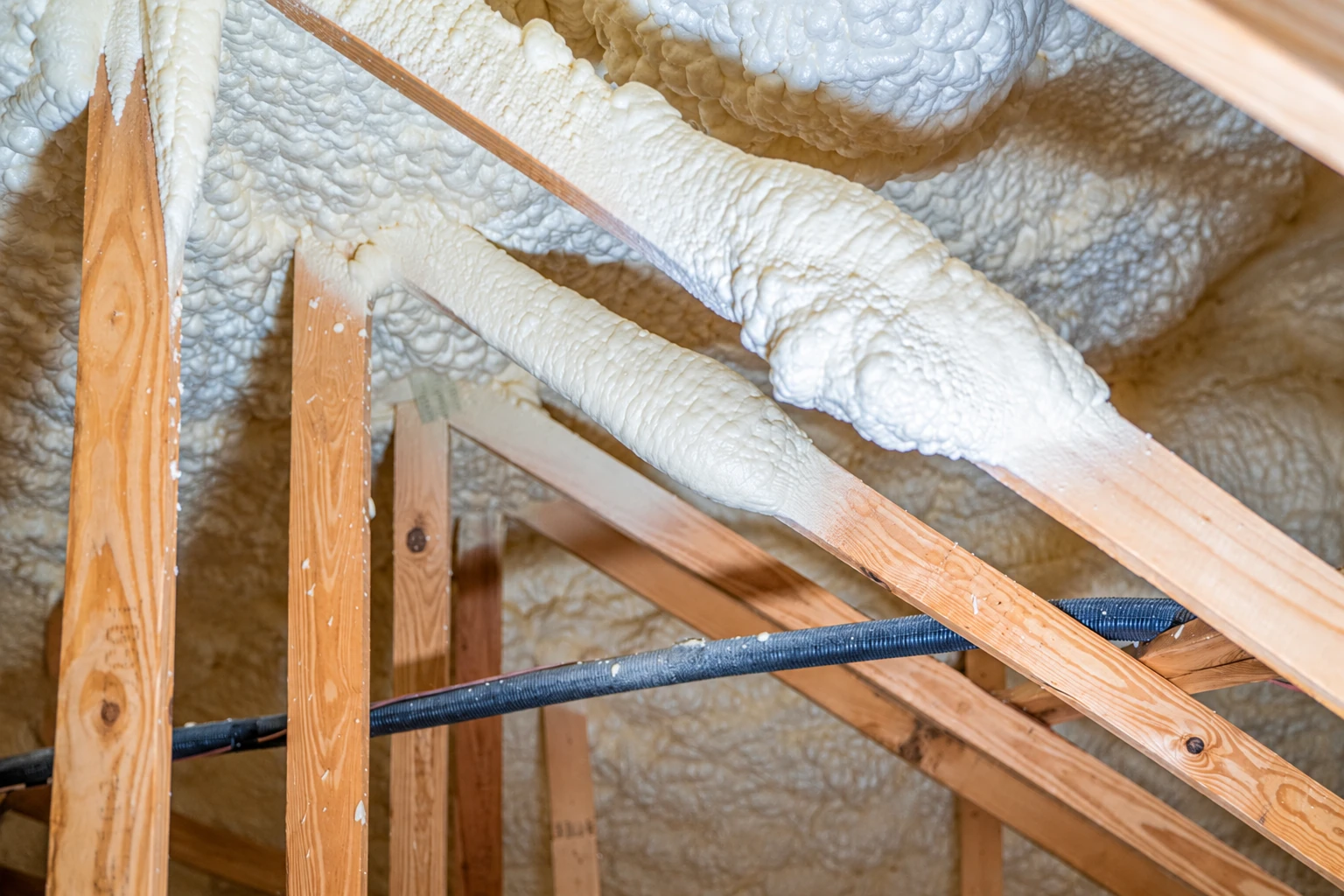
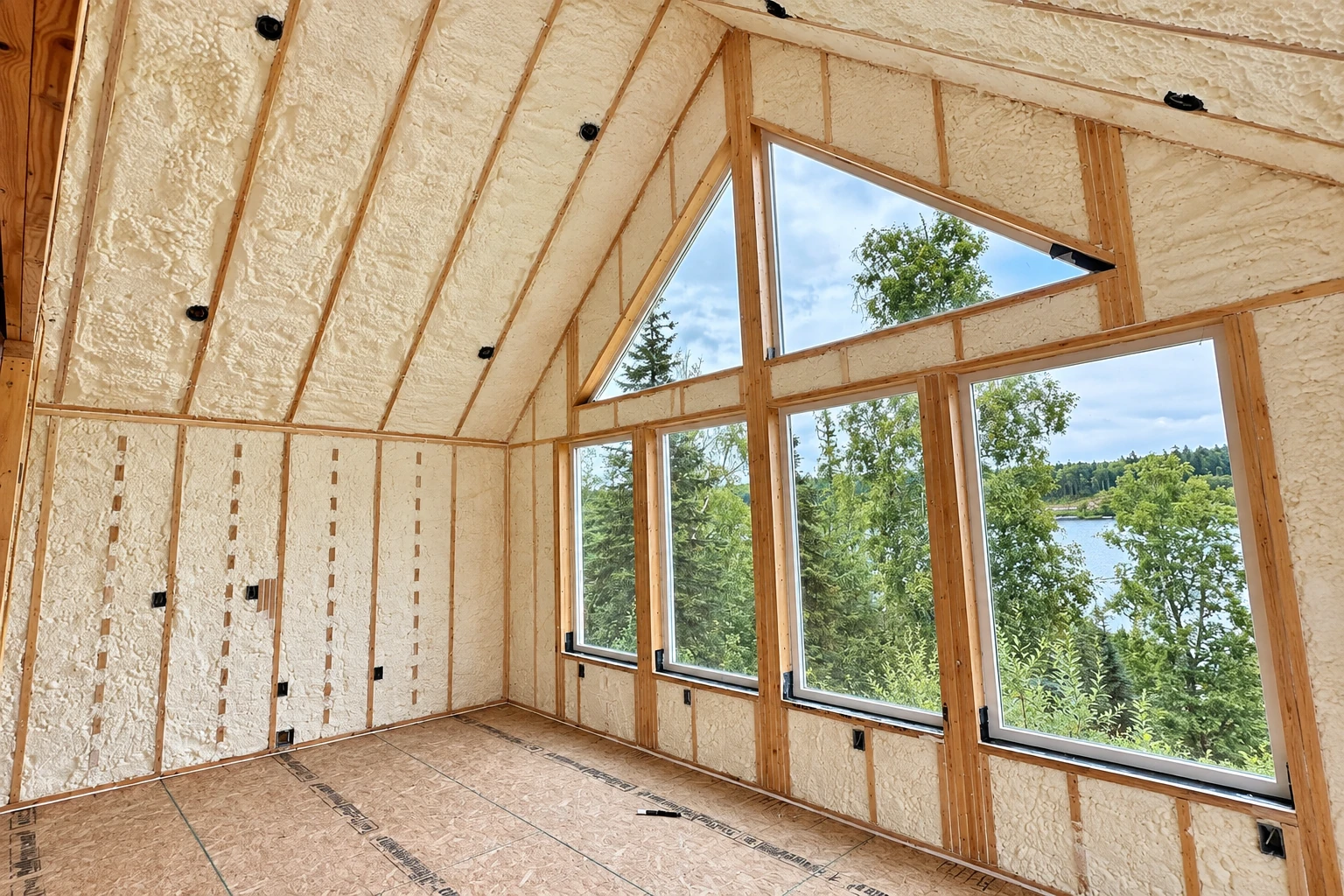
Most basement walls get foam, and the kind matters. Closed-cell foam, the dense kind that blocks moisture, is what I'd pick against concrete and on the rim joists, even though it costs more, because it seals air and stands up to damp. Open-cell foam is lighter and costs less, but it lets moisture pass, so in a basement it belongs in framed spots away from the concrete, if it goes in at all.
Get a written estimate for your basement
We reply within one business day, and most of the time it's me calling you back to set a time to see the basement. The estimate is free, done on site and written down, and there's no pressure to book.
Basement insulation questions from Bryan homeowners
Do I need to fix water problems before insulating my basement?
Yes, any leak in the basement walls should be fixed before insulation goes up, and bulk water should be steered away from the foundation. That's how national energy guidance lays it out. If your basement is damp, plan for that repair as its own step ahead of the insulation, and I'll tell you on my first look what it involves.
What is the best way to insulate basement walls?
Rigid foam panels are usually the best fit, because national guidance says they can go right against the concrete, while fiberglass batts and cellulose belong out of contact with foundation walls. If you want a framed wall for drywall and wiring, one guide says the stud cavities in front of continuous, airtight foam can take extra insulation. That guide adds no plastic vapor barrier on the room side, so the wall can dry toward the room.
How much does it cost to insulate a basement?
Across the US, basement insulation usually costs about $1,500 to $6,500 per project, and the size of your basement and how much prep it needs decide where you land. That's the going range for the work, not our price, and I'll give you your own number in a written estimate after I've seen the space. Our work is backed by our satisfaction guarantee.
Do I need a permit to insulate a basement in Bryan, TX?
The City of Bryan decides that, and if your job needs one, we apply for it through the city's online permit portal and handle the inspections. If it isn't clear, I find out before we start. Contractors have to register with the city every year to apply for permits, so it's fair to ask anyone you're considering whether theirs is current, and we're fully licensed and insured. For your own portal questions, the city's Permit Center takes calls at 979-209-5010, Monday to Friday, 7:45 a.m. to 5 p.m.
What can I put on basement walls after they're insulated?
Drywall over the foam is the usual choice, because in most basements foam needs a fire barrier, also called an ignition barrier, covering it, and one guide says gypsum board usually does that job, with the local building code having the final say. Skip plastic sheeting, vinyl or foil wallpaper and epoxy, oil or alkyd paint, since those trap moisture in a basement wall. Tell me your finish plans early, so we can match the insulation to them.
What causes moisture problems behind basement insulation?
Usually it's humid indoor air leaking in behind the insulation and hitting the cold concrete, which shows up as a moisture problem in summer. That's why foam panels need to stick to the wall completely, with no air gap behind them and every edge and seam sealed tight, and why the rim joists are worth sealing too. Ask any installer how they stop those air leaks, and I'll show you how we do it.
Other foam work we do
Closed-cell foam insulation
If your basement walls run cool and you want the air sealing and the insulation done in one dense layer, this is the foam to ask about.
Open-cell foam insulation
For dry framed walls and ceilings with odd-shaped gaps, this softer foam fills them for less money.
Have your basement checked before you finish it
Water and insulation are a lot easier to get right before the walls are framed and covered, so call (979) 393-7011 or email hello@bryaninsulation.com with notes on any leaks, the rough wall area and how you plan to finish the room.