
Blown-in insulation in Bryan TX - an even layer all the way to the eaves
Upstairs too hot and the power bill climbing? We check the attic first, then blow in an even layer that leaves the vents clear.
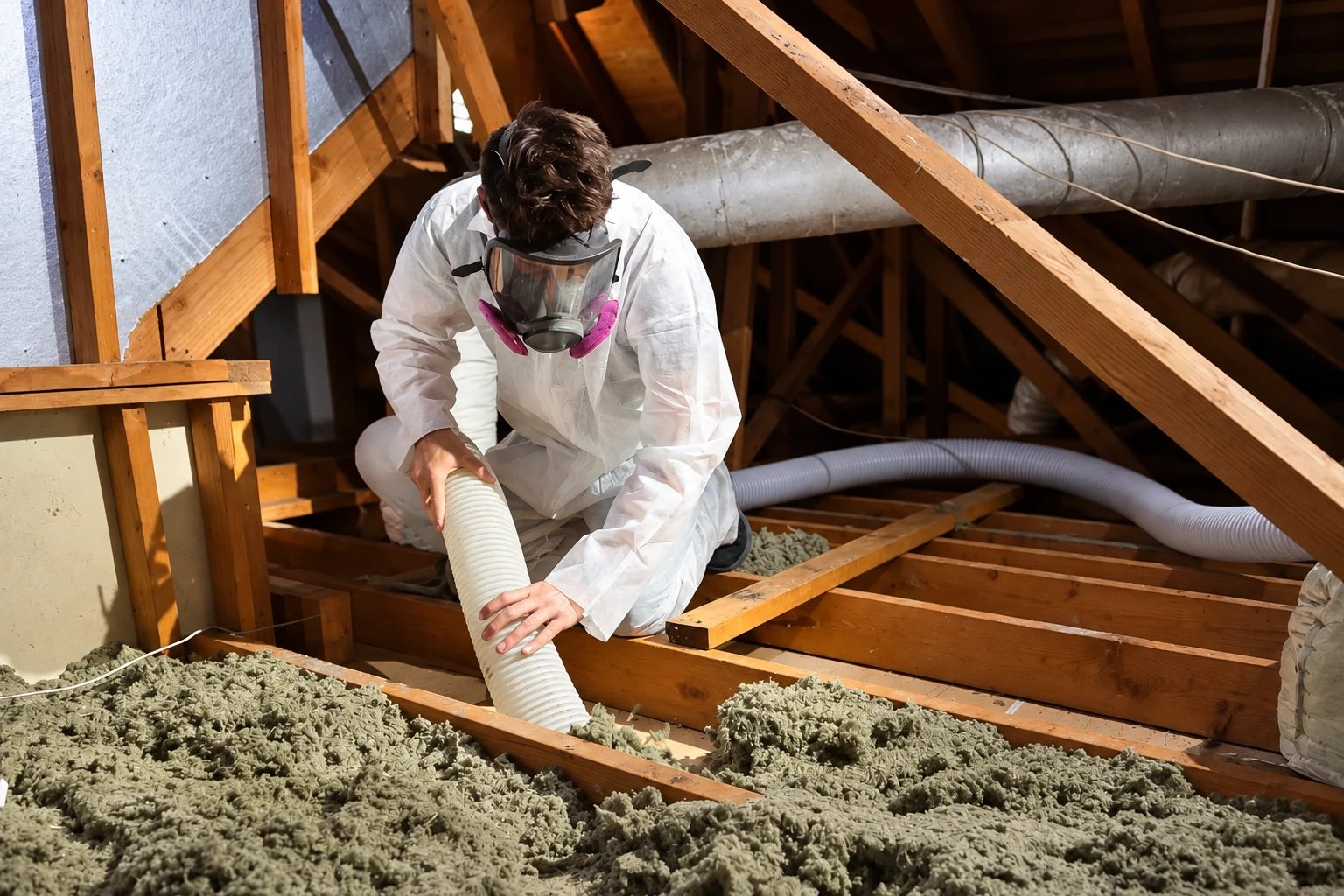
Does your Bryan attic need more blown-in insulation?
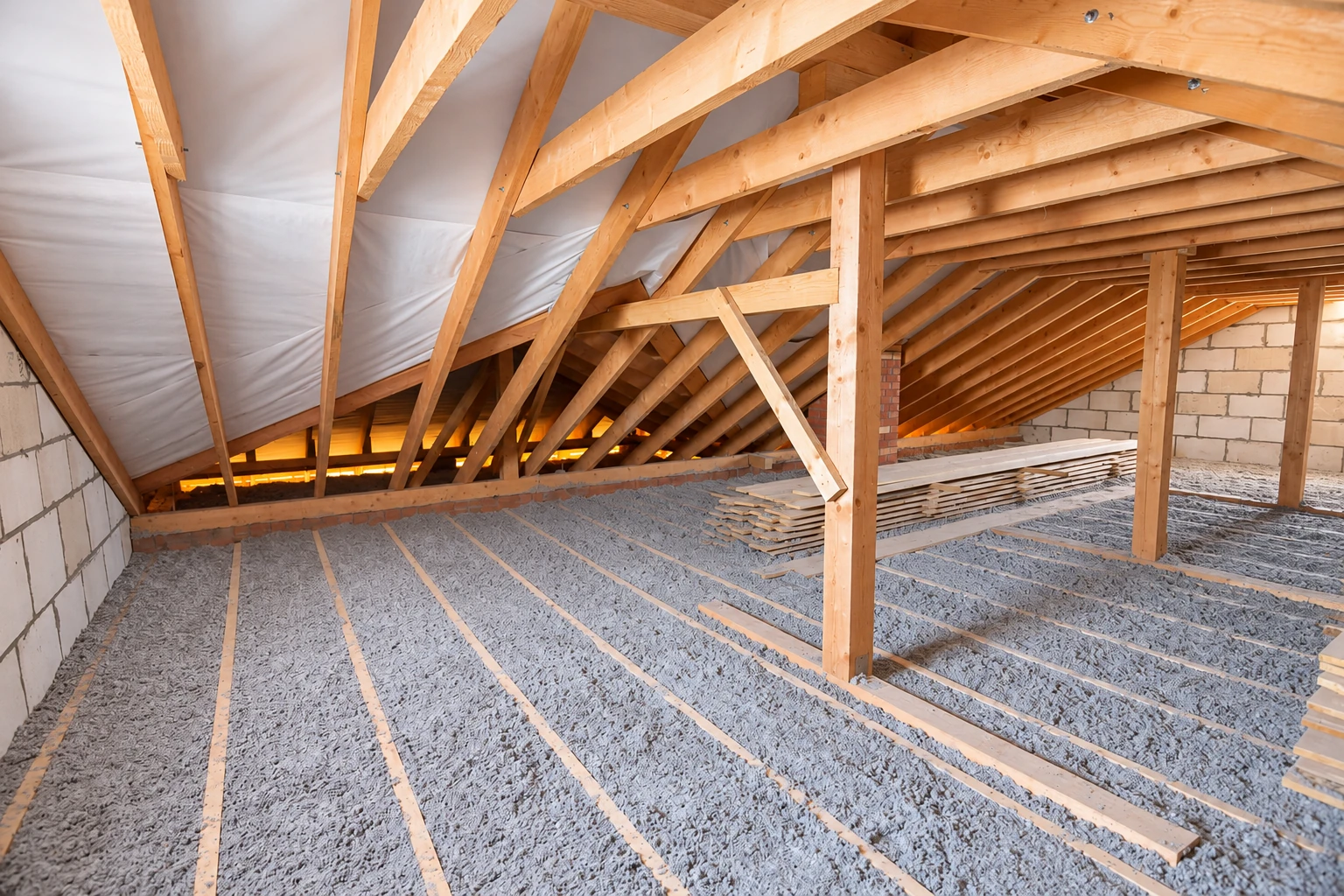
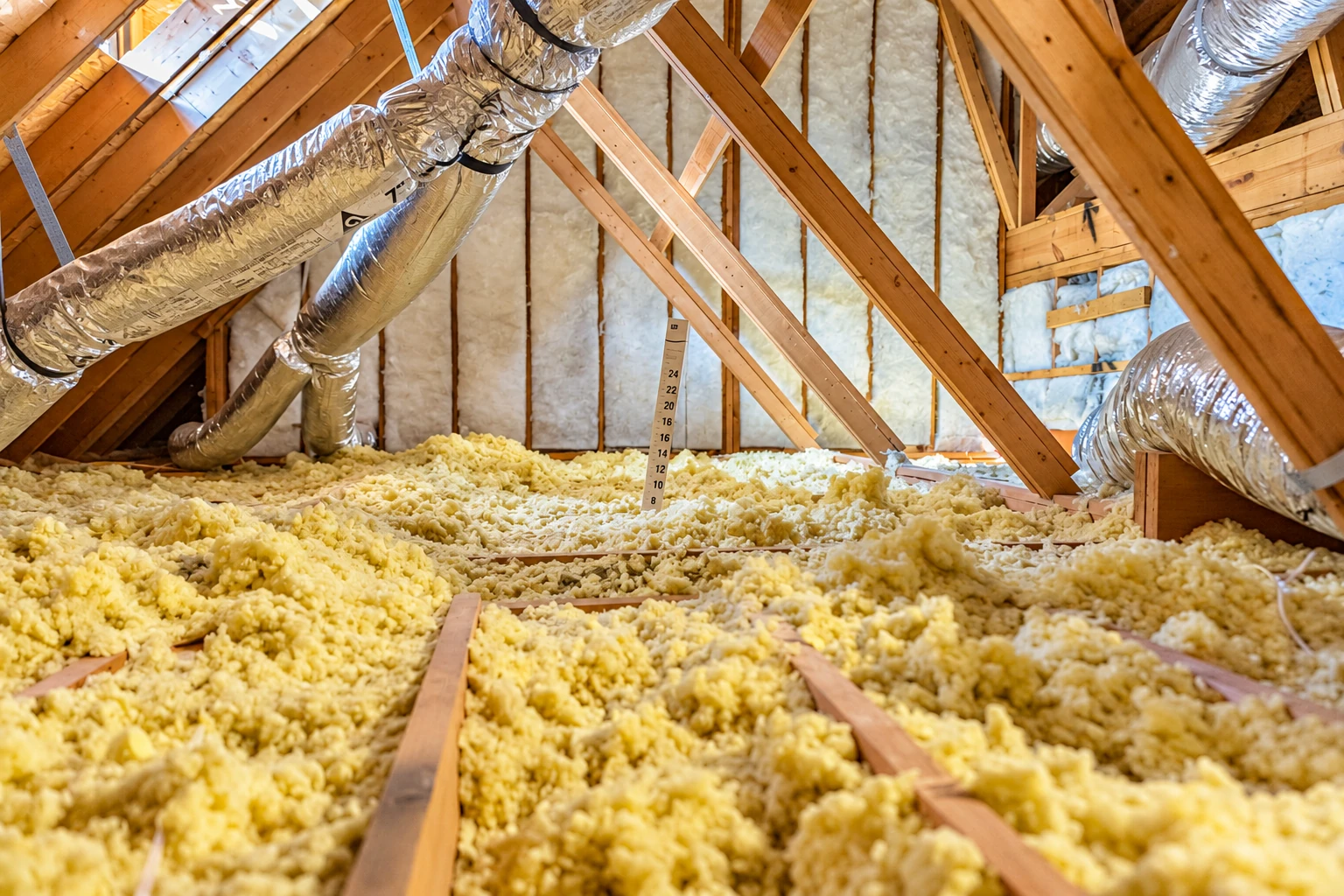
Blown-in insulation is loose cellulose or fiberglass blown through a hose across the floor of a vented attic. At Professional Bryan Insulation Services, we use it to top up thin attics in Bryan so your ceiling does a better job of slowing heat between the attic and the rooms below.
Most people call because the upstairs won't cool down, the room over the garage is miserable or the power bill keeps going up, and the first thing I do is go up and see how much is already there. The price mostly turns on how big the attic is, how deep the old layer sits, how easy it is to get into and whether anything has to be sealed or fixed first, and the schedule turns on those repairs and on whether the job needs a permit. Bryan only lets contractors who've registered with the city that year apply for permits, so that's worth asking anyone you're thinking of hiring. We're based in Bryan, we work in College Station, Navasota and the cities around them, and we're fully licensed and insured.
What happens after you call us about blown-in insulation?
You call, I come look
When you call or send the form, we set a time for me to come out, and most of the time I'm the one you talk to. I go up into the attic myself and tell you what I see, including anything that has to be fixed before we start.
You get a written estimate
It lays out what needs fixing first, how much insulation we'd add and what it all costs, and if you've already got plenty, it says that too. If the job needs a permit, we apply with the city's Building Permits / Inspections office and handle the inspections, and if you're not sure whether yours does, I'll find out before we start.
Crew installs with me there
My crew does the install with me on site, so the person who looked at your attic is there when the work gets done. Before we pack up, I go over the attic with you so you can see what we did.
How we handle blown-in insulation
I start by checking how deep your insulation sits against the joists, and if you've already got plenty, I'll say so and you won't pay for more. If it's thin, we look for anything that would end up buried, like old insulation that's damp or full of droppings, and then we seal the gaps around can lights, pipes, wires and the attic hatch, because air sealing, closing those leaks before insulating, keeps the new layer from fighting a draft. Then we blow it in even all the way out to the edges where the outside walls sit, since that's where attics usually end up thin, and we keep the eave vents clear so the attic can still breathe. We clean up before we leave.
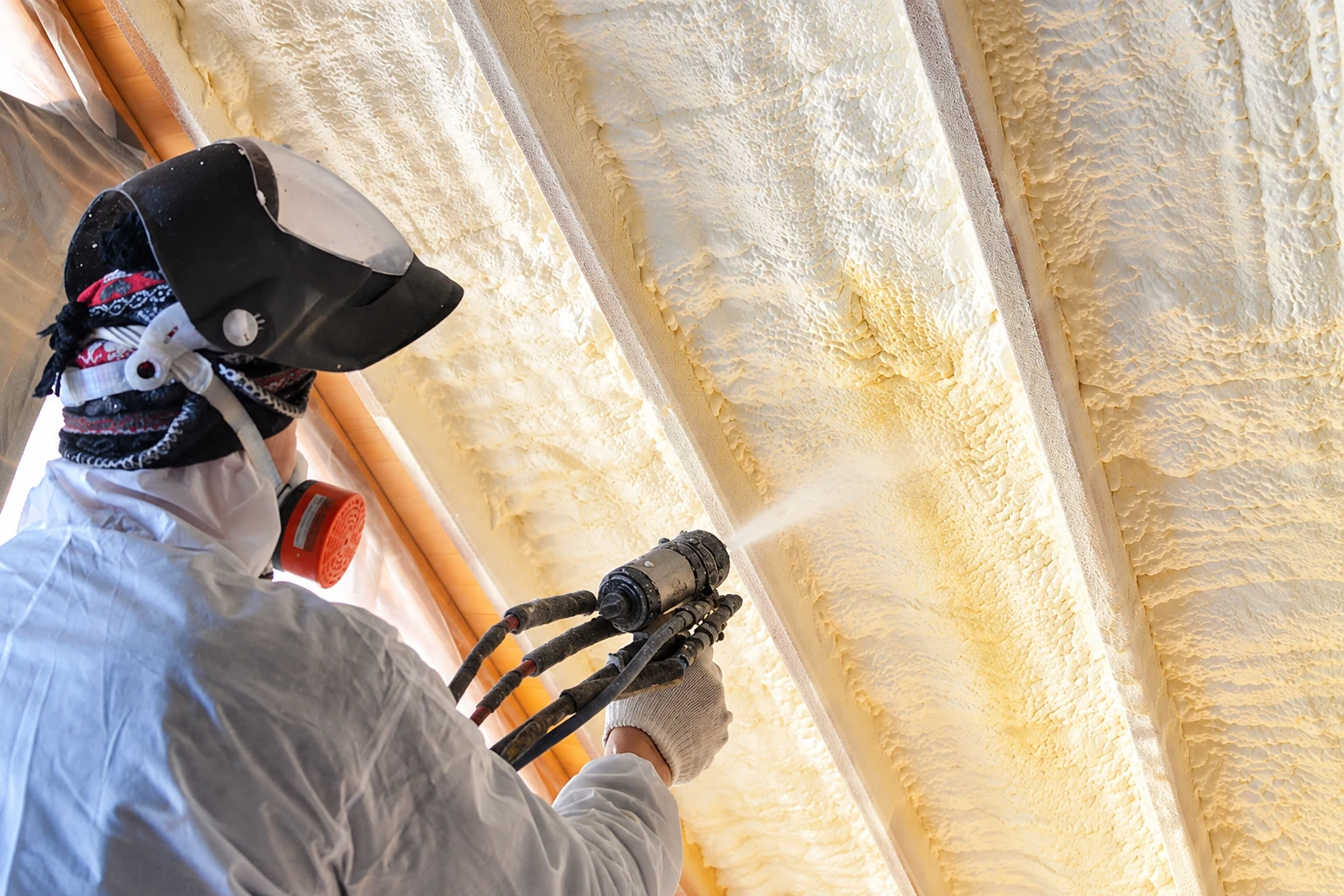
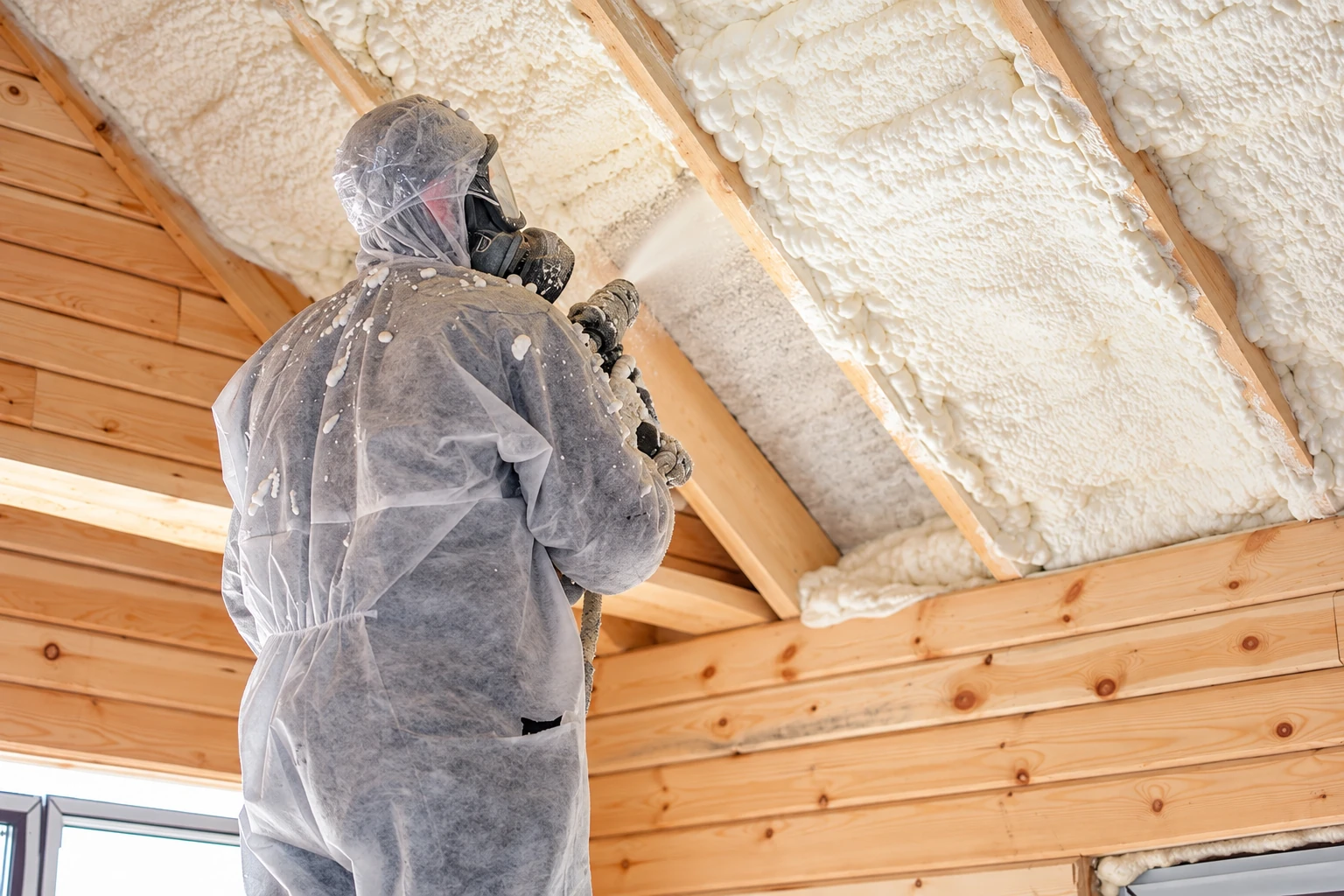
When the old layer is too far gone to cover, insulation removal comes first so the problem doesn't stay hidden under the new stuff. If your ductwork runs through the attic, I'll talk with you about foam, which costs more but seals air as it insulates, and otherwise sealing the gaps and topping up loose fill is usually the better buy. If the attic turns out to be only part of why the house won't stay comfortable, we can look at the walls, floors and crawl space as part of home insulation.
Find out if your attic needs more insulation
Send the form and we'll reply within one business day, and most of the time it's me calling to set up a time to look at your attic. The visit and the written estimate are free, and there's no pressure to book.
Blown-in insulation questions from Bryan homeowners
How do I know if my attic needs more blown-in insulation?
If your insulation sits level with or below the floor joists, so you can easily see them, ENERGY STAR says to add more. If the joists are buried well under it, you probably have enough, and adding more may not be worth the money. A quick look from the attic hatch tells you most of it.
What should I fix before adding blown-in insulation to my attic?
Wet or damp insulation from a roof leak and moldy or rotted rafters or joists should be fixed by a professional first, since both point to a moisture problem. The same goes for kitchen, bath or dryer vents blowing moist air into the attic, an attic with little or no ventilation, and knob and tube wiring, the old wiring in homes built before 1930 that can be a fire hazard when insulation touches it. None of these is cause for alarm, they're just the first step.
How much does blown-in insulation cost in Bryan, TX?
Installing blown-in attic insulation usually costs about $4 to $7.50 per square foot across the US, which is the general going rate and not a quote for your house. Where your attic lands depends on what I find up there, and your written estimate spells it out. The work is backed by our satisfaction guarantee.
Can I get a rebate for attic insulation in Bryan?
You may qualify for Bryan Texas Utilities SmartHOME rebates if the insulation already in your attic is R-20 or less, R-value being how well insulation slows heat. BTU can also help owners doing it themselves figure out the R-value they have now.
What should I do if my attic has vermiculite insulation?
Leave it in place until an approved lab tests it, because vermiculite, a light, pea-size, flaky gray fill, may contain asbestos. Your local health department can name a lab and answer questions about testing. We don't blow new insulation over it until it's been checked.
What is the best type of blown-in insulation for an attic?
Cellulose and fiberglass both suit the floor of a vented attic, which is where blown-in insulation goes. I'll go over which one fits your attic when I'm up there, and your estimate will show what we'd use.
Other insulation work we do
Insulation removal
When old insulation is soaked, moldy or full of droppings, pulling it out gives the new layer a clean start.
Home insulation
If rooms stay uncomfortable even with a full attic, the walls, floors or crawl space may be letting heat through.
Book a look at your attic insulation
When you call (979) 393-7011, email hello@bryaninsulation.com or use the form, tell us where your attic access is, whether the joists show and any damp spots, mold or vermiculite you've seen, so I know what I'm walking into.